
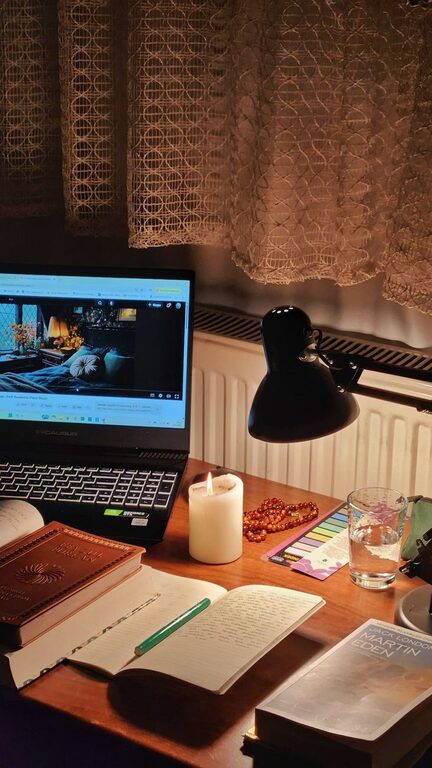
Creating a relaxing home office environment is essential for maintaining productivity, focus, and well-being when working from home. A comfortable, organized, and inviting workspace can reduce stress and help you enjoy your workday more. Whether you have a dedicated room or a small corner, these tips will help you transform your home office into a calming haven.
1. Choose the Right Location
Finding the perfect spot for your home office is the first step toward creating a relaxing atmosphere. Ideally, select a quiet area away from distractions like the television, kitchen, or heavy foot traffic. If possible, pick a room with a door so you can separate your work time from personal time.
Maximize Natural Light
Natural light has a positive effect on mood and energy. Position your desk near a window to enjoy daylight. If natural light is limited, consider soft white lighting that mimics the sun’s glow instead of harsh fluorescent lights.
2. Invest in Comfortable Furniture
A relaxing workspace starts with comfort. Invest in an ergonomic chair that supports your back and encourages good posture. Your desk should be the right height to keep your arms at a comfortable angle when typing.
Add Soft Textures
Include cozy touches like a cushioned chair pad or a small area rug under your desk. These elements add warmth and comfort, making your workspace more inviting and less clinical.
3. Declutter and Organize
Clutter can increase stress and distract your mind. Keep your desk tidy by removing unnecessary items and organizing your supplies.
Use Storage Solutions
Consider shelves, drawers, and organizers to keep paperwork and supplies out of sight but within reach. A clean space promotes calmness and focus.
4. Personalize Your Space
Adding personal touches makes your office feel welcoming and relaxing. Choose décor that brings you joy and inspires creativity.
Ideas for Personalization:
– Display photos of loved ones or nature scenes.
– Incorporate calming colors through wall art or accessories.
– Add plants to bring life and freshness to the room.
5. Use Soothing Colors
Colors play a powerful role in influencing mood. Soft, neutral colors like light blues, greens, or warm grays are often calming.
Tips for Color Choices:
– Paint your walls in soothing tones or use removable wallpaper for easy updates.
– Use colorful accessories sparingly to brighten the space without overwhelming it.
6. Control Noise Levels
Noise can interrupt focus and increase stress. To create a peaceful environment, consider ways to reduce or manage sound.
Noise-Reducing Tips:
– Use noise-canceling headphones or play soft background music or nature sounds.
– Add soft furnishings like curtains and rugs to absorb sound.
7. Incorporate Greenery
Plants are a simple way to improve air quality and add a calming touch to your home office.
Easy-care Plants:
– Snake plant
– Pothos
– Succulents
– Peace lily
These plants require minimal maintenance but can boost your mood and productivity.
8. Manage Screen Time
Spending long hours in front of screens can cause eye strain and fatigue. Incorporate habits and tools to reduce their impact.
Helpful Tips:
– Take regular breaks using the 20-20-20 rule: every 20 minutes, look at something 20 feet away for at least 20 seconds.
– Adjust monitor brightness and use blue light filters.
– Position your screen at eye level to avoid neck strain.
9. Keep Hydrated and Take Breaks
Remember to drink water throughout the day and step away from your desk now and then. Short breaks stretch your body and refresh your mind.
Break Suggestions:
– Stretch or walk around your home.
– Practice mindfulness for a few minutes.
– Step outside for fresh air.
10. Set Boundaries for Work-Life Balance
A relaxing home office supports a healthy balance between work and personal life.
Boundary Tips:
– Set clear work hours and communicate them with family or roommates.
– Turn off work notifications after hours.
– Use your office space only for work to separate your mental space.
—
Creating a relaxing home office environment takes a little planning and care, but it’s worth the effort. By focusing on comfort, organization, personalization, and balance, you can build a workspace that supports both productivity and peace of mind. Start small, try different ideas, and make your home office a place you look forward to working in every day.