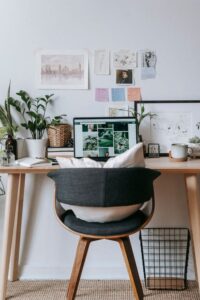
Creating a productive home office environment is essential for anyone working remotely or spending significant time working from home. Your workspace can greatly influence your efficiency, motivation, and overall well-being. In this post, we’ll explore simple yet effective tips to help you craft a home office that promotes productivity and comfort.
Choose the Right Location
Selecting the ideal spot for your home office is the first step toward productivity. Think about areas in your home that are quiet, free from distractions, and have sufficient natural light.
– Quiet Space: Choose a room or corner where household noise is minimal. This helps maintain concentration during work hours.
– Natural Light: Position your desk near a window to enjoy daylight, which can boost mood and reduce eye strain.
– Privacy: If possible, opt for a space that allows you to close the door for uninterrupted work sessions.
Invest in Comfortable and Ergonomic Furniture
Comfort plays a major role in how well you can focus during the day. Ergonomic furniture supports your posture and prevents discomfort.
– Ergonomic Chair: Look for chairs with adjustable height, lumbar support, and good cushioning.
– Desk Height: Your desk should be at a comfortable height where your shoulders can relax, and wrists stay straight while typing.
– Footrest: If your feet don’t comfortably touch the floor, a footrest can help reduce strain.
Organize Your Workspace
A cluttered workspace can lead to a cluttered mind. Keeping your desk and surrounding area tidy will help you stay focused and reduce stress.
– Declutter Regularly: Remove unnecessary items and keep only essentials on your desk.
– Use Storage Solutions: Incorporate shelves, drawer organizers, or file holders to store items neatly.
– Cable Management: Use clips or ties to manage cords and prevent tangling.
Establish Good Lighting
In addition to natural light, proper artificial lighting is key for a productive work environment.
– Task Lighting: Use a desk lamp with adjustable brightness to focus light where you need it most.
– Avoid Glare: Position screens and lights carefully to reduce glare and eye strain.
– Balanced Lighting: Combine overhead lighting with task lighting for an evenly lit space.
Minimize Distractions
While working from home offers flexibility, it also introduces distractions. It’s important to minimize interruptions when focusing on tasks.
– Set Boundaries: Communicate work hours to family or roommates to reduce disturbances.
– Limit Noise: Consider noise-canceling headphones or background music to block out distracting sounds.
– Turn Off Notifications: Silence non-essential notifications on devices during work periods.
Customize Your Space for Inspiration
Personalizing your office can create a motivating atmosphere that you look forward to being in.
– Add Plants: Houseplants improve air quality and add a bit of nature to your space.
– Art and Photos: Display artwork or photos that make you feel inspired and happy.
– Color Choice: Use colors that promote focus and calm, such as soft blues or greens.
Maintain a Consistent Routine
Your environment is only part of the productivity equation. Building a routine helps reinforce good work habits.
– Set Work Hours: Define clear starting and ending times to separate work time from personal time.
– Take Breaks: Schedule regular breaks to stretch and refresh your mind.
– Daily Planning: Start each day by listing priorities to keep your tasks organized.
Ensure Proper Technology Setup
Reliable and efficient technology supports smooth workflow.
– Fast Internet: A stable internet connection is crucial for video calls and online collaboration.
– Quality Equipment: Use keyboards, mice, and monitors that feel comfortable and efficient.
– Backup Solutions: Keep important files backed up to avoid data loss.
—
Creating a productive home office environment requires thoughtful planning and a balance of comfort, organization, and inspiration. By making these adjustments, you can foster a workspace that boosts your focus and helps you achieve your work goals with less stress. Whether you’re setting up a new office or improving an existing space, these tips can help you find the ideal setup for your needs.