
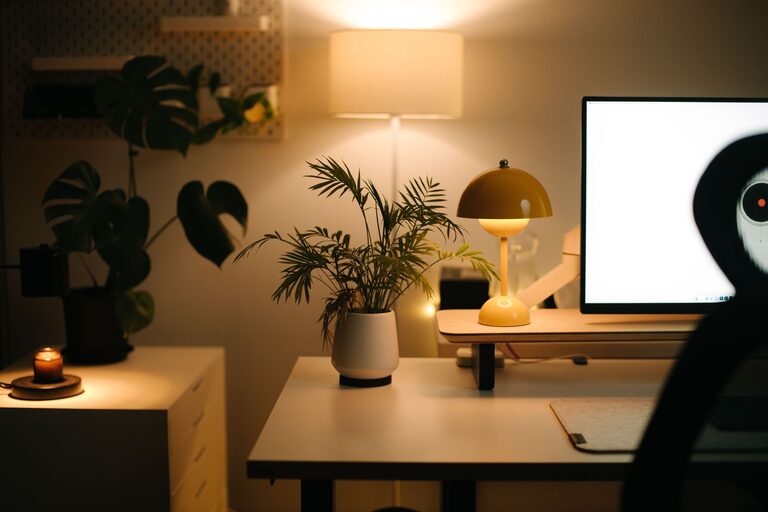
Creating a home office that feels both cozy and productive can make a big difference in your work-from-home experience. Whether you’re freelancing, running a small business, or simply trying to make the most of remote work days, your workspace plays a vital role in your focus and motivation. In this post, we’ll explore practical tips to help you design a home office that encourages productivity while also feeling comfortable and inviting.
Why a Cozy Workspace Matters
A cozy home office doesn’t mean clutter or lounging furniture—it means creating a space where you feel comfortable enough to focus and relaxed enough to avoid stress. When your office is inviting, you’re more likely to spend time there, stick to your daily routine, and maintain your productivity goals.
Choosing the Right Location
Consider Natural Light
Select a spot in your home with plenty of natural light. Sunlight improves mood and energy, which can enhance productivity. Position your desk near a window if possible, but be mindful of glare on screens.
Minimize Distractions
Choose a quiet area away from high-traffic parts of your home. This helps limit interruptions and background noise, which can break your concentration.
Selecting Comfortable and Functional Furniture
Invest in a Good Chair
Your chair is arguably the most important piece of furniture in your office. Invest in one that provides good lumbar support and encourages good posture, helping to avoid discomfort during long work sessions.
Desk Size and Storage
Pick a desk that fits your space but also allows enough room for your equipment and essentials. Desks with built-in storage or enough surface space to add organizers can keep your workspace clutter-free.
Organizing Your Space for Efficiency
Declutter Regularly
A tidy workspace helps maintain focus. Set aside time to declutter weekly, removing items you don’t need and organizing documents.
Use Organizers and Shelving
Use drawer organizers, shelves, and containers to keep supplies like pens, notebooks, and chargers orderly. Vertical storage can save space and keep important items within reach.
Personalizing Without Overcrowding
Add Encouraging Decor
Incorporate plants, artwork, or photos that inspire you. Greenery can improve air quality and create a calming atmosphere, while personal touches make the space your own.
Choose Soothing Colors
Opt for calming colors in your office to reduce stress. Soft neutrals, blues, and greens are popular choices that create a welcoming environment.
Lighting Tips for Comfort and Productivity
Layer Your Lighting
Combine natural light with a good overhead light and a desk lamp. Task lighting is crucial for detailed work and reducing eye strain, especially in the evening.
Adjust Brightness
Use adjustable lights or lamps with dimmer switches. This flexibility lets you control lighting according to the time of day and type of activity.
Establishing Boundaries and Routine
Define Your Work Hours
To keep work-life balance, set clear work hours and stick to them. This helps you separate work time from personal time when you’re in the same space.
Use Visual Cues
If possible, use an item like a room divider or curtain to physically separate your workspace. This signals to others and yourself when you’re in work mode.
Maintaining Comfort Throughout the Day
Take Breaks to Move
Make space for quick stretches or walking breaks. Moving regularly reduces tension and keeps your energy levels up.
Keep Hydrated and Nourished
Have water and healthy snacks handy. Staying hydrated and nourished supports concentration and overall well-being.
—
Setting up a cozy and productive home office doesn’t have to be complicated or expensive. By focusing on comfort, organization, lighting, and personal touches, you can create a space that motivates you and feels just right for your work needs. Start small, and gradually adapt your workspace to suit your preferences and tasks, making it a place where productivity and comfort go hand in hand.